
The Power of Promotions in Business Growth
Understanding the Basics of Promotions
Promotions are a critical element in the marketing mix, often aimed at increasing sales, enhancing brand recognition, and creating customer loyalty. This multifaceted strategy can take various forms, from discounts and special offers to loyalty programs and giveaways. The variety and creativity applied in promotional campaigns often directly influence their effectiveness.
Why Businesses Focus on Promotions
There are several reasons why businesses prioritize promotional activities. One of the primary goals is to increase awareness. By offering promotions, businesses can attract new customers who may not have previously considered their products or services. Additionally, promotions can help in boosting sales during slow periods, providing a temporary lift in revenue and enhancing cash flow.
Offering promotions is also a method of rewarding loyal customers, encouraging repeat purchases, and building stronger relationships. In the competitive business environment, retaining existing customers is often more cost-effective than acquiring new ones. Therefore, well-planned promotional strategies can significantly contribute to customer retention.
The Role of Technology in Modern Promotions
The digital age has transformed how businesses implement promotional strategies. With the rise of the internet, platforms like 886W.COM have enabled businesses to reach a global audience with ease. Digital promotions are not only cost-effective but also allow for precise targeting. Online data analytics provide insights into consumer behavior, enabling businesses to tailor their promotions more effectively.
Diverse Types of Promotional Strategies
Promotions can vary widely depending on the business objectives, target audience, and industry. Here are some common types:
Discounts and Coupons
These are perhaps the most traditional form of promotions. Offering a percentage off the regular price can be an effective way to entice customers to make a purchase they might have otherwise postponed.
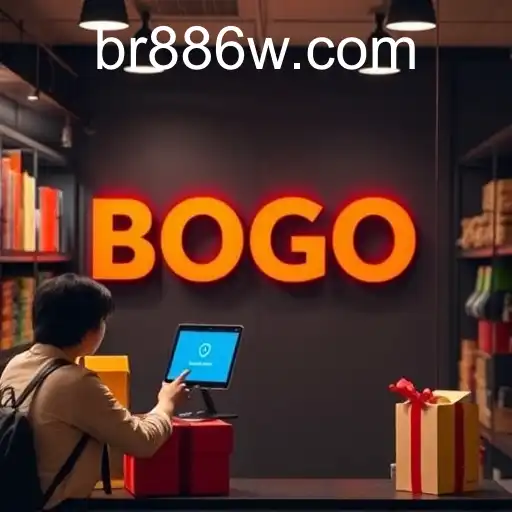
Buy One Get One Free (BOGO)
This strategy encourages customers to buy larger quantities of a product. While it offers great value to the consumer, it also helps increase sales volume for businesses.
Loyalty Programs
Loyalty programs are designed to reward repeat customers. These programs typically offer points for every purchase, which can be redeemed for discounts or free products in the future. This strategy not only boosts sales but also enhances customer satisfaction and loyalty.
Contests and Giveaways
By hosting contests and giveaways, companies can generate excitement and buzz around their brand. These promotions also encourage social sharing, which can amplify reach and engagement.
Designing an Effective Promotional Campaign
Creating a successful promotional campaign involves several critical steps. Initially, businesses must clearly define their goals. Whether the objective is to increase sales, clear out old stock, or reward customers, having a defined goal will guide the promotional strategy.
Understanding the target audience is equally important. Different demographics respond to various types of promotions, and what works for one group may not necessarily appeal to another. Tailoring promotions to the preferences and needs of the target market is essential for maximizing impact.
Another vital component is selecting the right channel. Whether it's through social media, email marketing, or a platform like 886W.COM, choosing the appropriate medium can significantly influence the reach and success of a promotion.
Measuring the Success of Promotions
Once a promotional campaign is underway, it’s crucial to track its success. Metrics such as sales figures, customer engagement, and return on investment (ROI) provide valuable feedback on the campaign's effectiveness. Businesses can then analyze this data to refine future promotions, ensuring ongoing improvements and continued success.
The Future of Promotions
With technological advancements continually shaping consumer habits, the future of promotions will likely involve more personalized and data-driven strategies. Artificial intelligence and machine learning could play substantial roles in anticipating consumer needs and providing personalized offers in real time.
As new generations of tech-savvy consumers enter the market, businesses must adapt their promotional strategies accordingly. Embracing innovation while maintaining core promotional principles will be key to leveraging promotions effectively in the ever-evolving business landscape.